How to Stop Teeth Grinding: What 14 AI Models Agree On

If you've ever woken up with a sore jaw, a dull headache, or teeth that feel like they've been through a workout overnight, you might be dealing with bruxism — the medical term for teeth grinding and clenching. It's more common than most people realize, affecting an estimated 10-15% of adults, and it can do real damage over time if left unchecked.
We wanted to find out what actually works to stop it, so we asked 14 different AI models for their best tips and ranked the results by consensus. After processing over 400 entries and merging duplicates, a clear picture emerged of the strategies that experts and AI systems agree on most. Here's what you need to know.
What Is Bruxism and Why Does It Happen?
Bruxism is the involuntary grinding, gnashing, or clenching of teeth. It can happen during the day (awake bruxism) or at night while you sleep (sleep bruxism). Many people don't even know they're doing it until a dentist spots the wear on their teeth or a partner hears them grinding at night.
The causes are varied, but the most common triggers include:
- Stress and anxiety — by far the most cited cause across medical literature
- Sleep disorders like sleep apnea, which can trigger grinding episodes
- Lifestyle factors including caffeine, alcohol, and nicotine use
- Medications — certain antidepressants (SSRIs) are known to cause bruxism as a side effect
- Misaligned teeth or bite problems that create uneven pressure
Left untreated, bruxism can lead to cracked or worn-down teeth, TMJ disorders, chronic jaw pain, headaches, and even changes to the shape of your face over time. The good news is there are plenty of proven strategies to manage it.
The #1 Recommendation: Get a Custom Night Guard
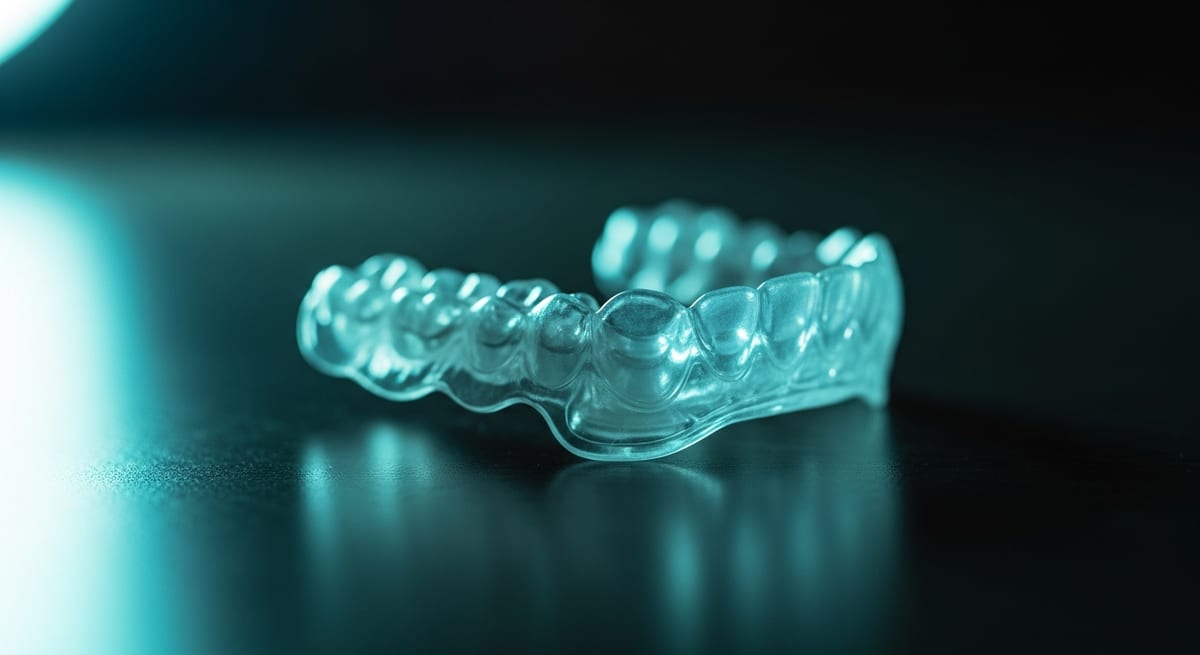
All 14 AI models agreed on this one, making it the top-ranked tip with 91% confidence in our full consensus ranking. A custom-fitted night guard from your dentist is the single most effective way to protect your teeth from grinding damage.
The key word here is custom. Over-the-counter boil-and-bite guards are better than nothing, but they don't fit as precisely, can shift during sleep, and may even make clenching worse in some cases. A dentist-made guard is molded to your exact bite and is designed to distribute pressure evenly across your jaw. If you're looking for a solid option to get started while you wait for a dental appointment, this highly-rated night guard on Amazon is a popular pick among grinders.
That said, a night guard treats the symptom, not the cause. That's where the rest of the list comes in.
Tackling the Root Cause: Stress and Lifestyle
The next several tips on the consensus list all point to the same underlying theme — bruxism is often a stress response, and addressing that stress is critical.
Stress management and relaxation techniques ranked #2 with 13 out of 14 AIs recommending it. This includes things like deep breathing, meditation, progressive muscle relaxation, and mindfulness practices. The idea is straightforward: if stress is making you clench, reducing stress reduces the clenching.
Limiting caffeine and alcohol came in at #3. Both are stimulants that can increase muscle tension and disrupt sleep quality, creating a perfect storm for nighttime grinding. Even cutting back on that afternoon coffee or evening drink can make a noticeable difference.
Improving sleep hygiene ranked #6, with 13 AIs agreeing. This means keeping a consistent sleep schedule, making your bedroom cool and dark, avoiding screens before bed, and establishing a relaxing bedtime routine. Better sleep quality means less grinding — it's that simple.
Staying hydrated and avoiding hard or chewy foods also made the list as practical daily changes that reduce jaw strain.
Physical Techniques That Help
Several of the top-ranked tips involve physical approaches to relaxing the jaw and reducing grinding patterns.
Warm compresses before bed ranked #4 with 12 AIs recommending it. Applying warmth to the jaw muscles before sleep helps them relax, reducing the likelihood of clenching overnight. Simple, free, and effective.
Avoiding chewing gum came in at #5. This might seem counterintuitive, but habitual chewing keeps your jaw muscles in a constant state of engagement. Ditching gum gives those muscles a chance to rest and can break the clenching habit loop.
Jaw stretching and relaxation exercises ranked #7. Gentle stretches and self-massage of the jaw muscles throughout the day can relieve tension buildup. Many physical therapists teach specific routines for this. A jaw exerciser designed for TMJ relief can also help strengthen and stretch the muscles if you want a more structured approach.
Daytime awareness training is another consistently recommended approach. The technique is simple: practice keeping your lips together but your teeth apart. Many people clench unconsciously during the day while working or concentrating, and simply becoming aware of this habit is often enough to start breaking it.
Advanced and Medical Treatments
For people dealing with severe or persistent bruxism, the AI consensus also highlighted several medical interventions worth discussing with your doctor.
Biofeedback devices ranked #8 with 12 AIs recommending them. These wearable devices detect jaw clenching and provide gentle feedback (like a vibration) to train you to stop. They're particularly useful for awake bruxism.
Cognitive Behavioral Therapy (CBT) came in at #9. CBT can help identify and change the thought patterns and behaviors that contribute to stress-related grinding. It's especially helpful when bruxism is tied to anxiety or deeply ingrained habits.
Botox injections into the masseter (jaw) muscles ranked #11. While it might sound extreme, Botox has become an increasingly popular treatment for severe bruxism. It weakens the jaw muscles just enough to reduce the force of grinding without affecting normal chewing or speaking.
Magnesium supplementation ranked #12, with 9 AIs mentioning it. Magnesium plays a role in muscle relaxation, and some research suggests that deficiency may contribute to muscle tension and grinding. It's an easy, low-risk option to try — a quality magnesium glycinate supplement is one of the most recommended forms for absorption and muscle support.
Other medical approaches that showed consensus include reviewing current medications with your doctor (since some drugs can cause bruxism), addressing underlying sleep disorders like sleep apnea, and physical therapy for jaw and neck tension.
Building Your Own Anti-Grinding Plan
The consensus from 14 AI models paints a clear picture: there's no single magic fix for teeth grinding. The most effective approach combines protection (a custom night guard) with root-cause work (stress management, lifestyle changes) and targeted physical techniques (jaw exercises, warm compresses, daytime awareness).
Start with the basics — get a night guard, cut back on caffeine, and practice keeping your teeth apart during the day. If you want to dive deeper into the science and holistic approaches, Stop Grinding Your Teeth is a well-reviewed guide that covers the full picture. If the basics don't do enough, work your way through the more advanced options like biofeedback, CBT, or talking to your doctor about other interventions.
For the full ranked list of all 31 tips scored by AI consensus, check out our complete teeth grinding tips ranking.